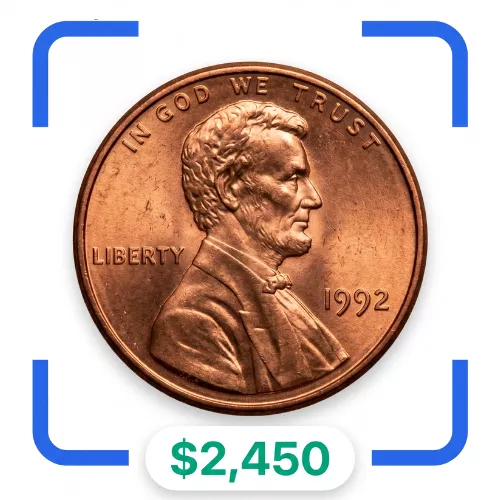
Most rare-penny stories start the same way — someone finds an old cent in a jar, a drawer, or a roll from the bank, and starts wondering if it might be worth something. Occasionally it is. This page tracks the 100 highest confirmed auction prices ever paid for U.S. cents, from colonial-era patterns struck before there was even a federal Mint, through half cents, large cents, Flying Eagle and Indian Head cents, all the way to wheat and Memorial cents.
This list covers the historical side of the hobby, 1787 through today's error coins. If you're specifically hunting modern Lincoln Memorial cents from 1959 forward, the Lincoln Memorial penny guide is a better fit for that narrower window.
The Complete Top 100 List
Ranked by confirmed auction sale price. Filter by series, variety type, grade, or search by name.
| # | Coin | Series | Grade | Sale Date | House | Price |
|---|
I Think I Have One — Now What?
Five steps between "found in a jar" and an actual sale.
Stop handling it directly
Hold coins by the edges only and never wipe, polish, dip, or clean a coin you suspect is old or valuable. Cleaning strips original surface and can cut the value by 50-90% instantly.
Verify before you pay anyone
Before you spend money on grading, check it yourself with a free online coin identifier to rule out common look-alikes and copper-plated fakes.
Submit to PCGS or NGC
For anything that looks genuinely scarce, third-party grading from PCGS or NGC is what buyers expect. It authenticates the coin and assigns the grade that determines its market value.
Pick the right venue
Common but decent coins do fine on eBay. Mid-tier rarities often sell well through GreatCollections. Anything approaching five or six figures belongs with Heritage Auctions or Stack's Bowers.
Watch for counterfeits
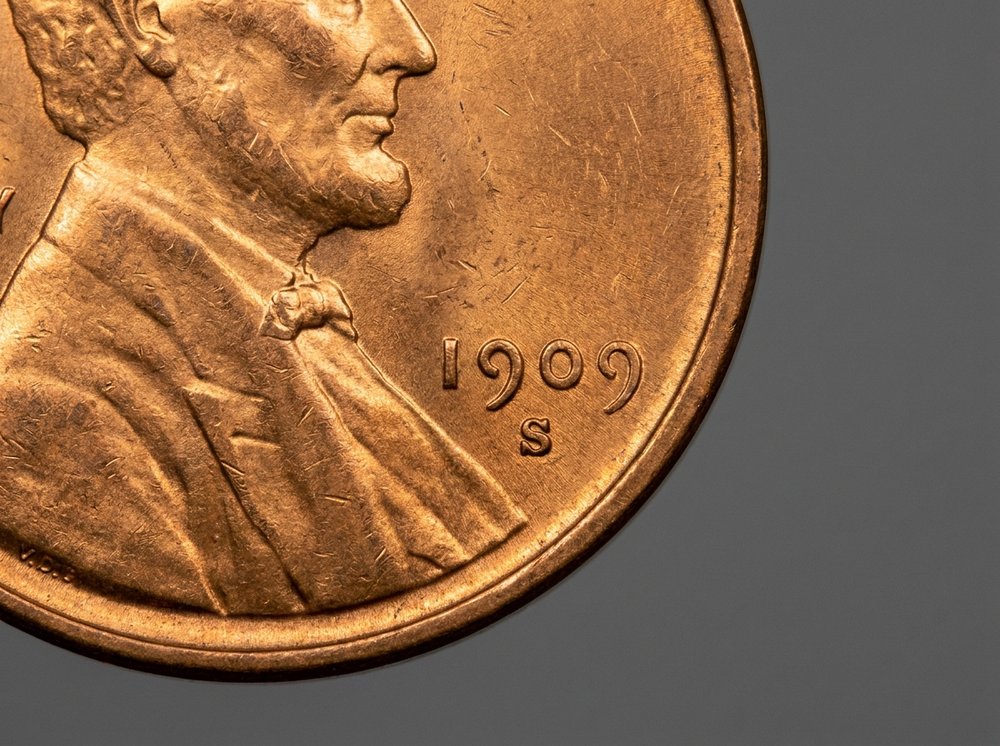
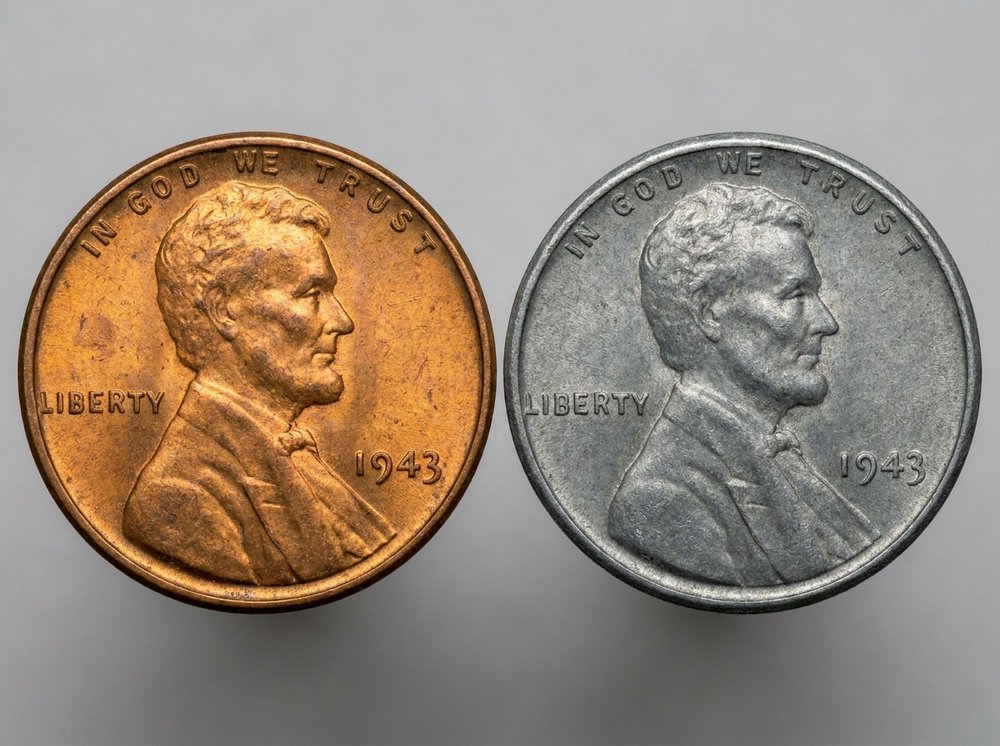
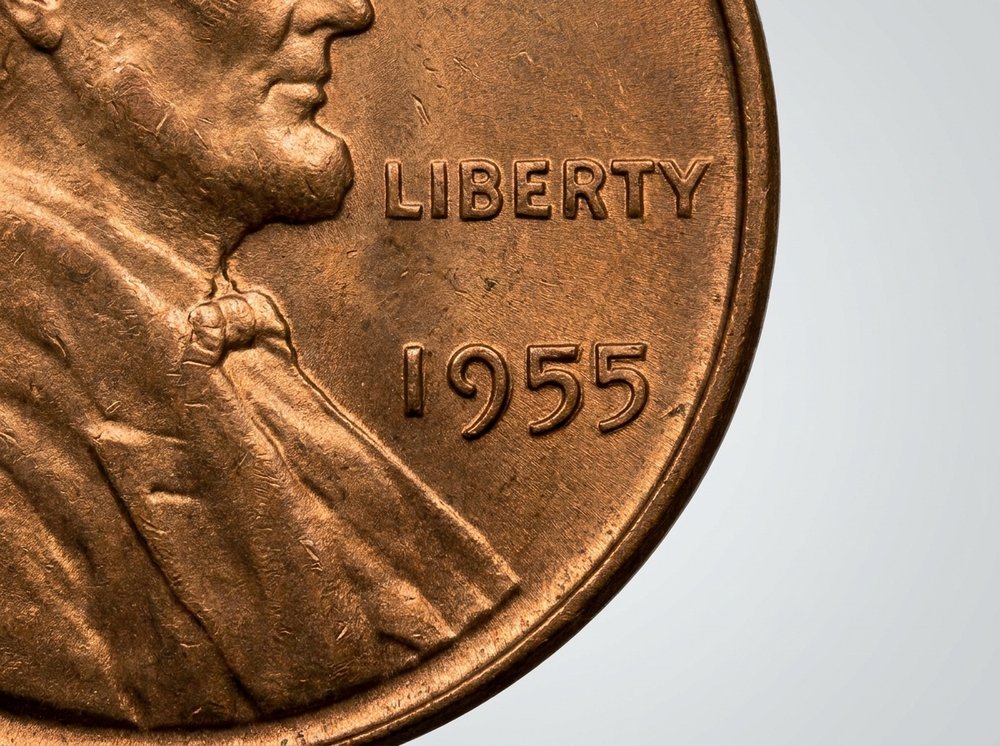
The most-faked pennies are the 1943 bronze cent (often a copper-plated steel cent), the 1909-S VDB (added mint mark), and the 1955 doubled die (confused with cheap machine doubling). When in doubt, get it certified first.
What Actually Drives a Penny's Value
Key dates and low mintages
Some years the Mint simply struck far fewer cents than usual — an economic slump, a metal shortage, a design change midyear. Those low-mintage dates (1799, 1877, 1909-S VDB, 1914-D, 1931-S) become the backbone of every serious collection because supply never caught up with demand.
For a broader walkthrough of pricing across the whole series, see this complete guide to penny values.
Planchet errors and off-metal strikes
The most famous errors in the hobby happen when the Mint uses the wrong blank. In 1943, wartime steel cents were supposed to replace copper — but a few leftover bronze planchets got struck anyway. The reverse happened in 1944 with stray steel blanks. Both errors are counted in single or low double digits known.
Doubled dies and die varieties
When a die gets hubbed twice at a slightly different angle, every coin struck from it shows doubling on the date, lettering, or portrait. The 1955 doubled die is the most famous example, discovered when a batch reached circulation through vending machines. Overdates (like 1807/6 or 1888/7) and other die quirks work the same way — a mistake at the Mint becomes a variety collectors chase decades later.
Grade, color, and originality
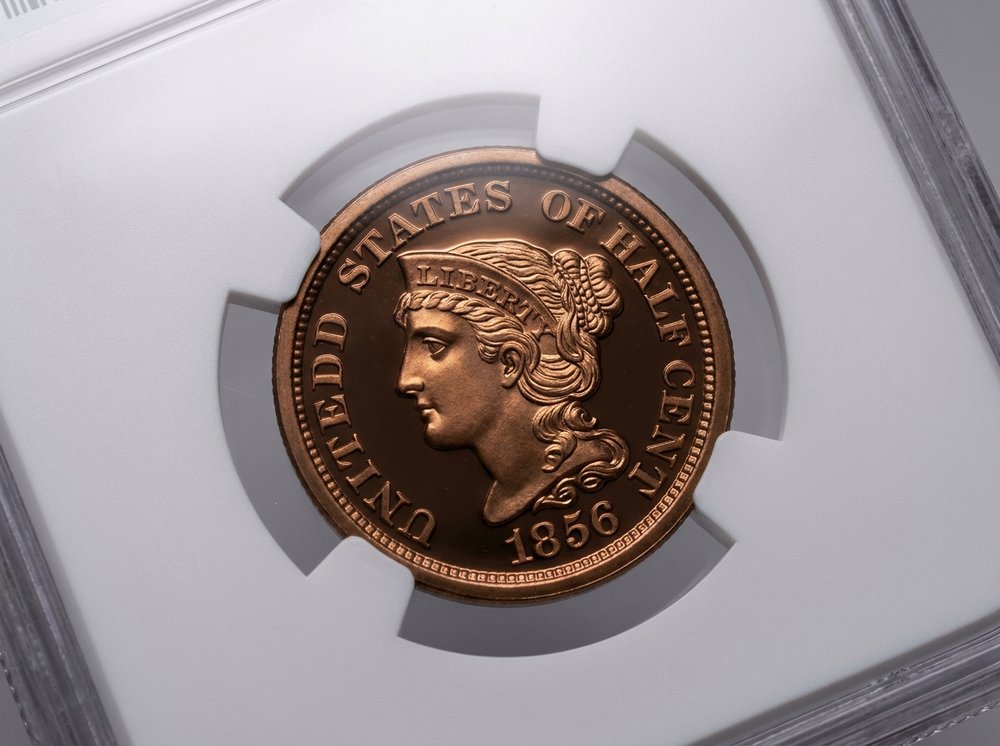
Two coins of the same date can be worlds apart in value depending on preservation. A well-struck, mark-free Gem with full original color can sell for ten or twenty times what a worn, cleaned example brings. For copper coins specifically, Red (RD), Red-Brown (RB), and Brown (BN) designations track how much original mint color survives, and Red almost always commands the biggest premium.
Frequently Asked Questions
About This Guide
Written by Margaret Ashcombe
I've been collecting and researching U.S. copper coinage for over twenty years, with a particular focus on early half cents and large cents from the Philadelphia Mint's first decades. This list was compiled by cross-referencing publicly reported auction results from major numismatic auction houses, along with certified population data from the leading third-party grading services.
Prices reflect the specific sale noted for each coin at the time it was recorded and can change as new examples come to market or grading opinions shift. This site is independently run and not affiliated with any auction house, grading service, or the U.S. Mint.
Page last reviewed and updated: August 12, 2026.